
Exercise After Childbirth
Is exercise recommended after childbirth?
Yes!
After uncomplicated childbirth, it's recommended by the UK Chief Medical Officer to aim for around 150 minutes of moderate activity a week - that's just 22 minutes a day!
Whether it's out and about, at home, or enjoying some "me-time" movement, every bit adds up.
But remember, everyone's journey is different. Factors like how your delivery went and your pre-pregnancy activity levels can play a role. A great guide? Listen to your body and start gently.
It's safe to be active - so find what feels good and move at your own pace!

When is safe to return to exercise after childbirth?
-
Pelvic Floor Exercises - You can start these day 1, as long as, you’re catheter free and your health team hasn’t said not to.
-
Core engagement exercises - Incorporating breathing work to better connect with your core muscles.
-
Walking - Think gradual and progressive - slowly increasing the distances you’re walking. This is cardiovascular exercise.
-
Rest - Don’t forget to rest!
-
-
Pelvic Floor & Core exercises - Continue working on your pelvic floor and core activation, strength and endurance.
-
Progressive Walking - Gradually increase the distance and speed you are walking.
-
Low impact exercise - Add in functional movements (movements that mirror what you need to do day-to-day.) E.g. Squats & Lunges
-
-
Low Impact Exercise - This includes static cycling or using a cross trainer.
-
(But remember to ask yourself: Am I comfortable sitting on a saddle?)
-
Pelvic Floor & Core exercises - These still matter - continue working on your pelvic floor and core activation, strength and endurance.
-
-
Power walking - Increase the intensity and distance you are walking.
-
Low impact exercise - Boost both the length and intensity of low-impact exercises.
-
Light weights - Think of weights as the weight of your baby, it’s car seat or lighter. The goal? Strengthening your core and restoring safe techniques for lifting your newborn, as well as, completing daily postnatal tasks!
-
Resistance - Instead of weights you could add resistance. Again focusing on strengthening your core and lower limbs.
-
Side notes: Scar heeling - Have you got a scar from delivery? Would it benefit from scar mobilisation and professional advice?
-
-
Swimming - Swimming is an option if your bleeding has stopped and there have been no complications with any wound healing.
-
Spinning - Make sure you are comfortable sitting in a saddle and any wounds have healed without complications.
-
Return to running - Make this gradual and graded (e.g. couch to 5Km) and involve a professional if possible.
-
-
-
-

Which exercises are safe postnatally? And which exercises should I avoid postnatally?
(Click the images for more helpful information on each activity)


Provided by The Active Pregnancy Foundation, an essential read before starting any each activity in pregnancy.
The Benefits: Why exercise after childbirth?

Improves Mood
Exercise supports endorphin release, helps east feeling of worry or low mood, improving mood.

Improves Fitness
Enhanced fitness can lead to increased strength, better heart health, higher energy levels and improved posture.

Improves Sleep
Better sleep means sharper focus, stronger immunity, balanced hormones, healthier skin and more.

Helps Return to Pre-pregnancy Weight
Exercise will not only improve / maintain your physical fitness in pregnancy but also educe the risk of obesity (which can complicate pregnancy.)

Provides Time for Yourself
Exercise reduced the risk of blood pressure problems (pregnancy induced hypertension / pre-eclampsia), pre-term labour and gestation diabetes.

Improves Tummy Muscles Tone and Strength
Exercise aids a faster postnatal recovery.
Want to Know More?
Feel free to watch this great video below, created by The Active Pregnancy Foundation, explaining what the national guidance says — a helpful starting point for anyone curious about returning to exercise / sport after childbirth.
Watch This
The Benefits: Why exercise after childbirth?
Improves Mood
Exercise supports endorphin release, helps east feeling of worry or low mood, improving mood.

Improves Fitness
Enhanced fitness can lead to increased strength, better heart health, higher energy levels and improved posture.
Improves Sleep
Better sleep means sharper focus, stronger immunity, balanced hormones, healthier skin and more.
Helps Return to Pre-pregnancy Weight
Exercise will not only improve / maintain your physical fitness in pregnancy but also educe the risk of obesity (which can complicate pregnancy.)
Provides Time for Yourself
Exercise reduced the risk of blood pressure problems (pregnancy induced hypertension / pre-eclampsia), pre-term labour and gestation diabetes.
Improves Tummy Muscles Tone and Strength
Exercise aids a faster postnatal recovery.
Want to Know More?
Feel free to watch this great video below, created by The Active Pregnancy Foundation, explaining what the national guidance says — a helpful starting point for anyone curious about returning to exercise / sport after childbirth.
Watch This


Tips for Exercise in Breastfeeding Woman:
It’s safe to be active while breastfeeding. (Just not literally!) Guidance reports that exercise doesn’t impact milk supply or its nutritional quality.
The advice: be mindful of eating well & staying hydrated before and after your workout.

Feed First
Try feeding first to avoid heavy uncomfortable breasts during exercise.
01

20 minutes
Try to feed your little one about 20 minutes prior to exercising together, e.g. a sling workout, to give their tummy some time to begin digesting the milk.
02
03
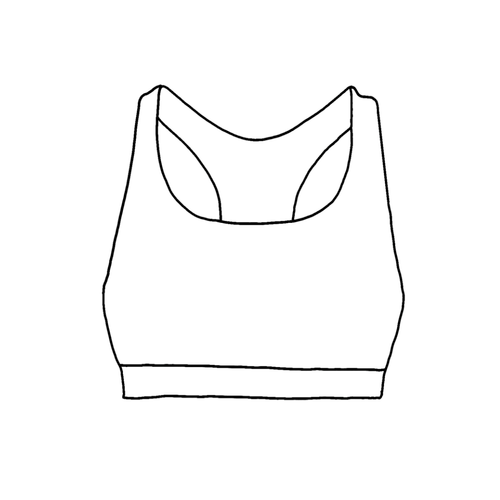
Sports Bra
It is essential sport bras are the correct size to provide support instead of causing compression.
%2BFront%2BLying_edited.png)
Front Lying
Steer clear of front-lying exercises if you are feeling full or tender.
04

Shower / Wash
Sweat contains salts that some babies might find has an unappealing taste if they come into contact with them during feeding. A quick wash prior to feeding can help prevent this issue.
05
06

Hydrate
Make sure you stay hydrated - before, during and after exercise!
Sign Up To the Nurtured Narratives
Sign up for The Nurtured Narratives and receive a monthly roundup of current events, free resources, and exclusive first looks at what’s coming next. Join our community for a moment of inspiration and empowerment, delivered straight to your inbox.
References
Page Created / Last Updated: April 2026
-
Breastfeeding Network, Blog - Breastfeeding and Exercise, Last updated: 26.05.2022, https://www.breastfeedingnetwork.org.uk/breastfeeding-and-exercise/
-
Everson et al. Summary of International Guidelines for Physical Activity Following Pregnancy
-
La Leche League International, Exercise, Published January 2018, https://llli.org/breastfeeding-info/exercise/
-
NHS, Keeping fit and healthy with a baby, Page last reviewed: 20 April 2026 Next review due: 20 April 2029, https://www.nhs.uk/baby/support-and-services/keeping-fit-and-healthy-with-a-baby/
-
Returning to running postnatal guidelines. By Tom Goom, Grainne Donnelly and Emma Brockwell (2019)
-
The Postnatal Pilates Guide by Tracy Ward, Published 2020..
-
UK Chief Medical Officers' Physical Activity Guidelines, Published 07.09.2019, https://www.gov.uk/government/publications/physical-activity-guidelines-pregnancy-and-after-childbirth/physical-activity-for-women-after-childbirth-birth-to-12-months-text-of-the-infographic
-
Tips for Exercise in Breastfeeding Woman:
It’s safe to be active while breastfeeding. (Just not literally!) Guidance reports that exercise doesn’t impact milk supply or its nutritional quality.
The advice: be mindful of eating well & staying hydrated before and after your workout.
Feed First
Try feeding first to avoid heavy uncomfortable breasts during exercise.
01
20 minutes
Try to feed your little one about 20 minutes prior to exercising together, e.g. a sling workout, to give their tummy some time to begin digesting the milk.
02
Sports Bra
It is essential sport bras are the correct size to provide support instead of causing compression.
03
Front Lying
Steer clear of front-lying exercises if you are feeling full or tender.
04
Shower / Wash
Sweat contains salts that some babies might find has an unappealing taste if they come into contact with them during feeding. A quick wash prior to feeding can help prevent this issue.
05
Hydrate
Make sure you stay hydrated - before, during and after exercise!
06
And always... listen to your body, slow down / switch to a different form of exercise if you begin to feel uncomfortable.